
The Numbers That Should Change How Nonprofits Think About SEO
Let me share some data that might surprise you:
44% of all nonprofit website traffic comes from organic search. That's nearly half of everyone who visits your website finding you through Google. Yet only 37% of nonprofits have a dedicated SEO strategy.Think about that gap for a second. The largest single source of website traffic for most nonprofits is something only a third of organizations are actively working on.
And here's what makes this even more significant: 49% of nonprofit marketers say organic search has the best ROI of any marketing channel. Not paid ads. Not social media. Organic search.
The breakdown of nonprofit website traffic tells a clear story:
- Organic search: 44% of all visits
- Direct/email: 22% of visits
- Social media: 16% of visits
- Paid advertising: The rest
When I was helping organizations raise money, one thing I quickly realized was that the math matters. Donor acquisition through paid advertising can cost $50-100+ per donor. SEO, once you've invested in the content, keeps working for you month after month without additional spend.
Why I Changed My Mind About SEO for Nonprofits
I'll be honest - for years, I was skeptical about SEO. My background was in paid advertising and direct response marketing. SEO felt slow, unpredictable, and hard to measure compared to running a Facebook campaign where you could see results in days.
But then I started looking at the long game. And I started thinking about what nonprofits actually need.
When I was volunteering at the Harriet Buhai Family Law Center during law school, we couldn't take on every client who needed help. Budget constraints meant turning away people in crisis. The same is true for every nonprofit I've worked with since - the need is always greater than the resources.
That reality changed how I think about marketing investments. Paid ads are like renting space - the moment you stop paying, the traffic stops. SEO is like building equity. Every piece of content you create continues working for you.
For a resource-constrained nonprofit, that distinction is everything.

The Real ROI of SEO for Mission-Driven Organizations
Let's talk about what SEO actually delivers for nonprofits. The returns show up in ways that matter for your mission:
Donor Acquisition at Scale
Here's a concrete example. Right now, 1.5% of nonprofit website visitors make a donation, generating an average of $1.29 per visitor. That might sound small, but consider what happens when you increase traffic:
- 10,000 monthly visitors = $12,900/month in potential donations
- 25,000 monthly visitors = $32,250/month in potential donations
- 50,000 monthly visitors = $64,500/month in potential donations
SEO compounds over time. The content you publish this month can still be bringing in donors three years from now. Paid ads stop the moment your budget runs out.
Volunteer Recruitment
Every volunteer coordinator knows the struggle of finding qualified volunteers. SEO helps because people actively searching for volunteer opportunities have high intent. Someone Googling "volunteer opportunities near me" or "how to volunteer at an animal shelter" is already motivated to act.
Grant Discoverability
Foundation program officers research organizations before making funding decisions. When they Google your cause area and find thoughtful, expert content from your organization, you're building credibility before you ever submit a proposal.
Community Awareness for Advocacy
For advocacy organizations, SEO is how you get your message in front of people searching for information about the issues you care about. This is particularly powerful for education-focused missions.
The Honest Challenges: What's Changed in 2025
I want to be real with you about the challenges, because the landscape has shifted significantly with AI:
AI Overviews Are Changing Search
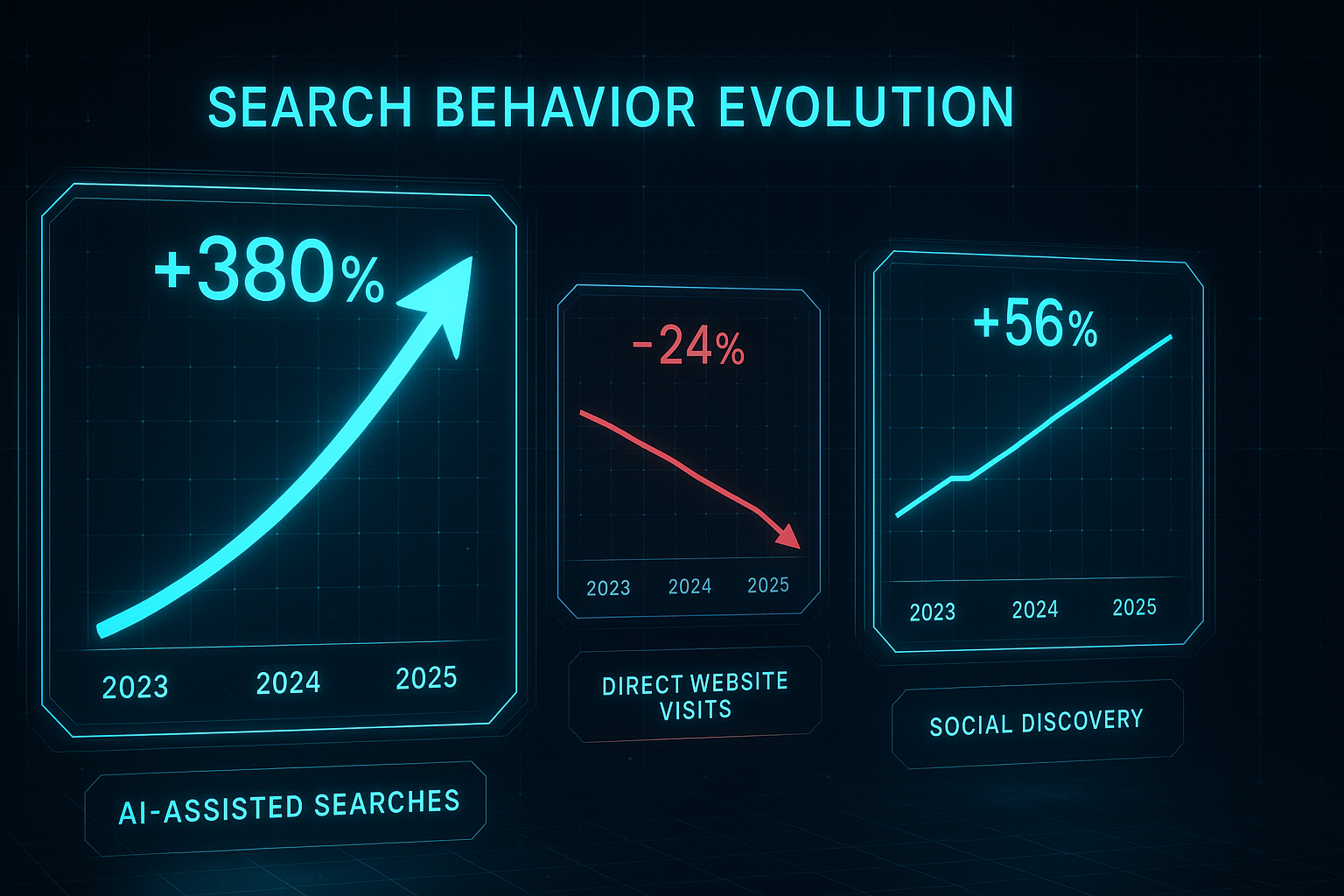
Google's AI summaries are affecting organic traffic. Some organizations have seen 18-64% drops in organic traffic due to these AI-generated answers appearing at the top of search results.
This is real, and it matters. But here's the nuance: AI overviews primarily affect informational queries. When someone is searching with transactional intent ("donate to animal rescue near me") or navigational intent (looking for a specific organization), the impact is less severe.
What This Means for Nonprofit SEO Strategy
The organizations winning in this environment are:
- Creating content with genuine expertise that AI can't easily replicate
- Focusing on local and specific queries rather than broad informational content
- Building brand recognition so people search for them directly
- Using content to support donor relationships, not just acquisition
All that to say, SEO isn't dead - but the strategy needs to be smarter than it was five years ago.
When SEO Makes Sense for Your Nonprofit (And When It Doesn't)
Let me be direct about when SEO is and isn't the right investment for a nonprofit.
SEO Is Worth It If:
You're building for the long term. SEO takes 3-6 months to show meaningful results. If you need donations next week, this isn't your channel.You have expertise to share. The best nonprofit SEO comes from genuine knowledge - program insights, sector expertise, beneficiary stories. If you have wisdom that helps people, SEO amplifies it.Your audience researches before giving. Major donors especially tend to research organizations extensively. Having authoritative content builds trust before they ever talk to your development team.You want to reduce dependency on paid advertising. Every dollar you spend building SEO assets is a dollar you don't have to spend on ads next year.You serve a cause area people actively search for. Animal welfare, environmental causes, health conditions, education - these all have strong search volume.SEO Might Not Be Worth It If:
You need results in 30-60 days. SEO is a long game. For immediate fundraising needs, paid advertising or direct outreach is faster.Your total marketing budget is under $2,000/month. At very small budgets, you might be better focusing on email and social where you can move faster.You're hyper-local with minimal search volume. A neighborhood food pantry serving one zip code has limited SEO opportunity compared to a regional organization.You don't have anyone to create content. SEO requires consistent content production. If you have no capacity for this, the investment won't pay off.The Nonprofit SEO Opportunity Most Organizations Miss
Here's what I've learned from working with mission-driven organizations: most nonprofits are sitting on content goldmines they don't even realize.
Every nonprofit produces:
- Impact reports full of stories and data
- Grant narratives explaining your approach and outcomes
- Board presentations with program insights
- Staff expertise from years of direct service
This content is usually created once, used for one purpose, and then forgotten. SEO-focused nonprofits repurpose this content for organic search.
That impact report becomes five blog posts. That grant narrative becomes a comprehensive guide to your approach. Those staff insights become expert resources that rank for relevant searches.
When I was at the Alisa Ann Ruch Burn Foundation, we had powerful stories from camps where burn survivor kids felt included for the first time. Those stories were used in donor appeals, but they could have been reaching thousands of people through search - people looking for burn survivor resources, parents seeking camp options for their children, researchers studying trauma recovery.
The content already exists. The question is whether you're making it findable.
How AI Changes the SEO Equation for Resource-Strapped Teams
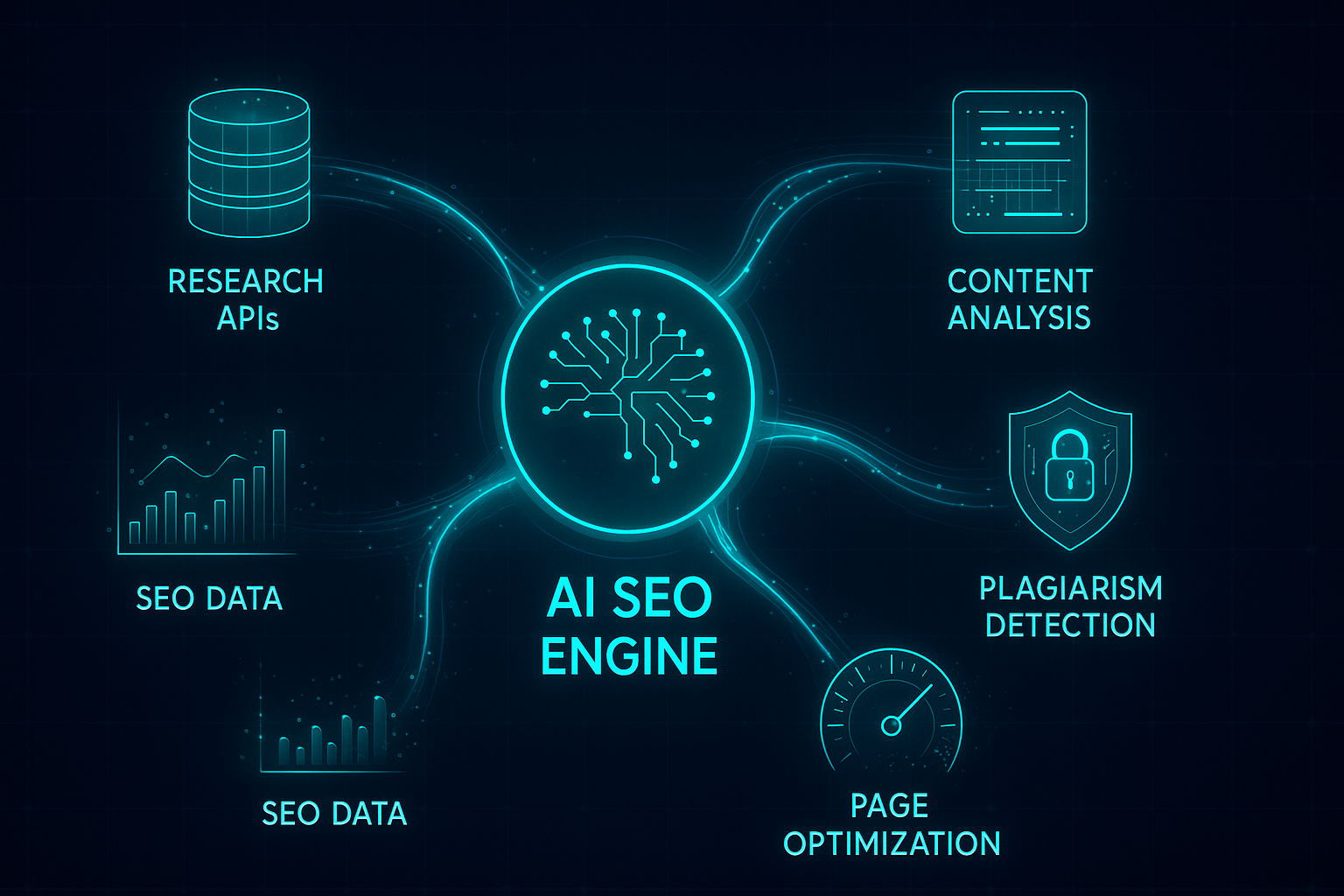
This is where things get exciting for nonprofits. AI has fundamentally changed what's possible for small teams.
What used to require a full-time content marketing position can now be done by a development director with the right tools and systems. The research that took days now takes hours. The first drafts that required expensive copywriters can now be generated and then refined with your authentic voice.
But here's the critical thing I've learned: AI amplifies your expertise, it doesn't replace it. The nonprofits getting this wrong are pumping out generic AI content that reads like every other organization in their space. The ones getting it right are using AI to scale their unique stories, insights, and expertise.
For a detailed guide on building these AI-enhanced content systems, check out my comprehensive AI SEO research guide. But the principle is simple: document your authentic voice, build a repository of your real stories and expertise, then use AI to help you share those assets at scale.
The Mobile Reality Every Nonprofit Must Address
Before we go further, I need to share a stat that should concern every development director:
52% of nonprofit website traffic comes from mobile devices. But here's the problem: visitors on desktop give an average of $145, while mobile visitors give an average of $76.That's a 48% difference in average gift size. And it gets worse: 80% of nonprofit websites received a "poor" rating on mobile performance.
This matters for SEO because Google prioritizes mobile-friendly sites in search rankings. A site that loads slowly or displays poorly on mobile will struggle to rank, regardless of how good your content is.
The fix isn't complicated, but it requires attention:
- Test your site speed on mobile (Google PageSpeed Insights is free)
- Ensure your donation form works smoothly on phones
- Simplify navigation for smaller screens
- Reduce image sizes and unnecessary scripts
Technical SEO basics can make a significant difference in both rankings and donor conversion.
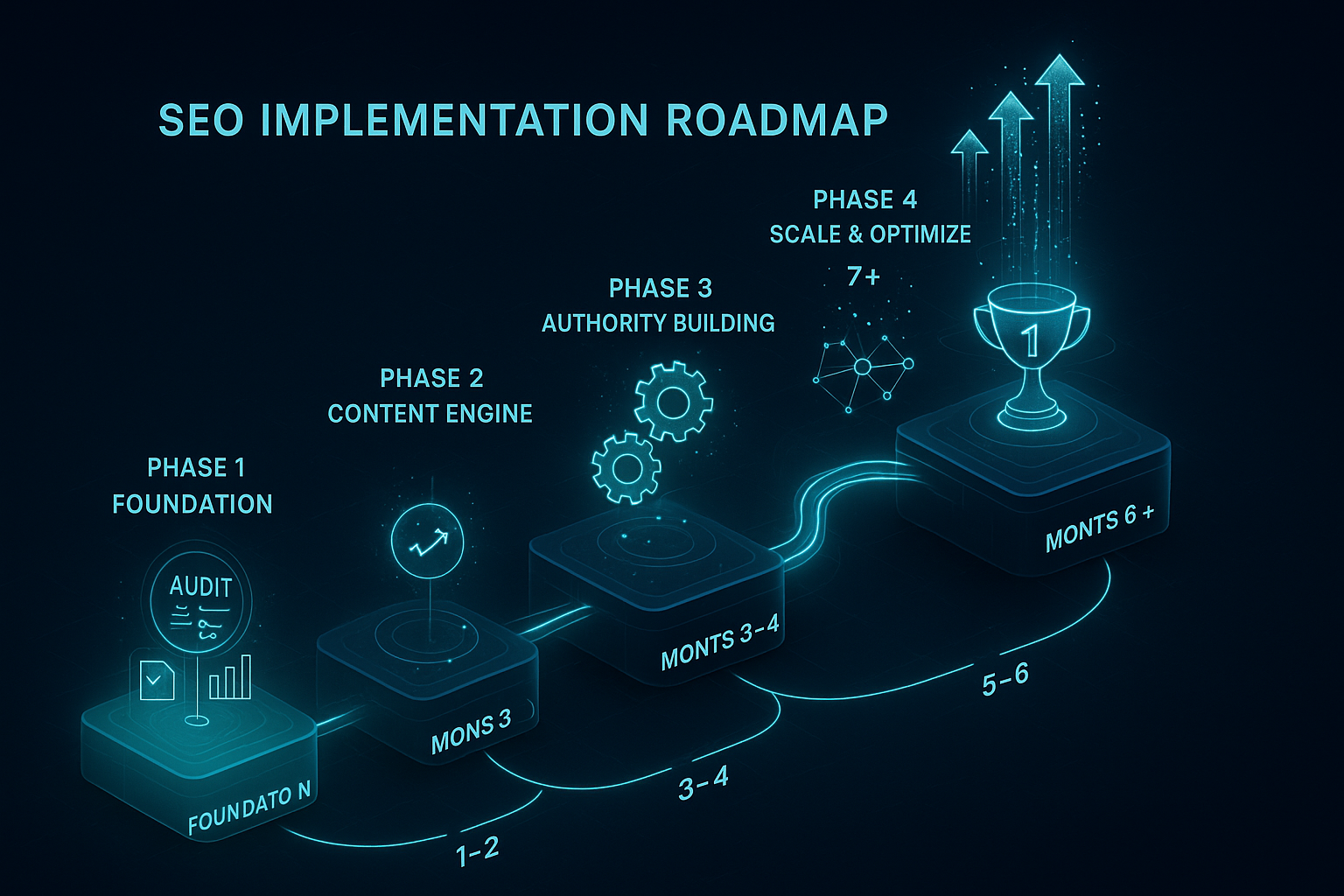
A Realistic Timeline: What to Expect
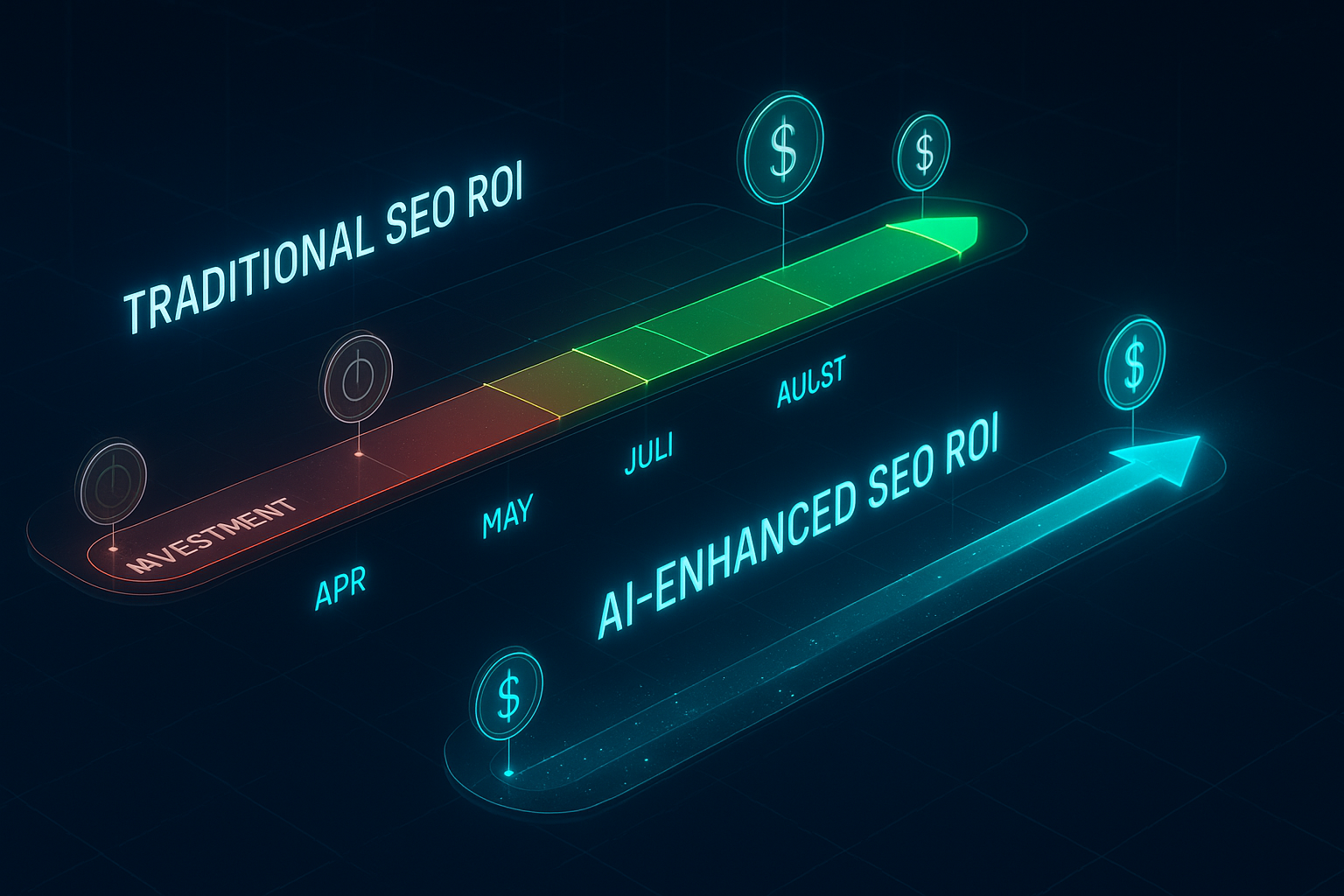
If you're going to invest in SEO, you should know what the timeline actually looks like:
Months 1-2: Foundation
- Technical audit and fixes
- Keyword research for your cause area
- Content planning based on donor questions and search intent
- Optimization of existing pages
Months 3-4: Content Building
- Launch consistent publishing schedule
- Optimize existing high-value pages
- Begin building topic authority
- Set up proper tracking
Months 5-6: Early Traction
- First rankings improvements appear
- Some content starts generating traffic
- Data reveals what's working
- Refinement of strategy based on results
Months 7-12: Momentum
- Compound growth as content builds authority
- More keywords ranking
- Traffic becoming meaningful
- Donor acquisition from organic search measurable
Year 2+: Compounding Returns
- Established authority in your topic areas
- Consistent organic traffic
- Lower cost per donor acquisition
- Content assets working for you without ongoing spend
The patience required is real. But the payoff is an asset that keeps delivering rather than an expense that recurs.
What This Actually Costs
Let me break down realistic investment levels for nonprofit SEO:
DIY Approach: $50-200/month
- AI writing tools (ChatGPT, Claude): $20-100/month
- Basic SEO tools (free tiers available): $0-100/month
- Your time: significant
This works if you have internal capacity and someone willing to learn SEO basics.
Hybrid Approach: $500-1,500/month
- AI tools: $100-200/month
- Professional SEO tools: $100-400/month
- Part-time freelance support: $300-900/month
This gets you professional guidance while keeping costs manageable.
Agency Partnership: $2,000-5,000/month
- Full-service SEO management
- Content creation
- Technical optimization
- Reporting and strategy
This makes sense for organizations with larger budgets who want hands-off execution.
The key question isn't "what's the cheapest option?" - it's "what can we sustain consistently for 12+ months?" Inconsistent effort produces inconsistent results.
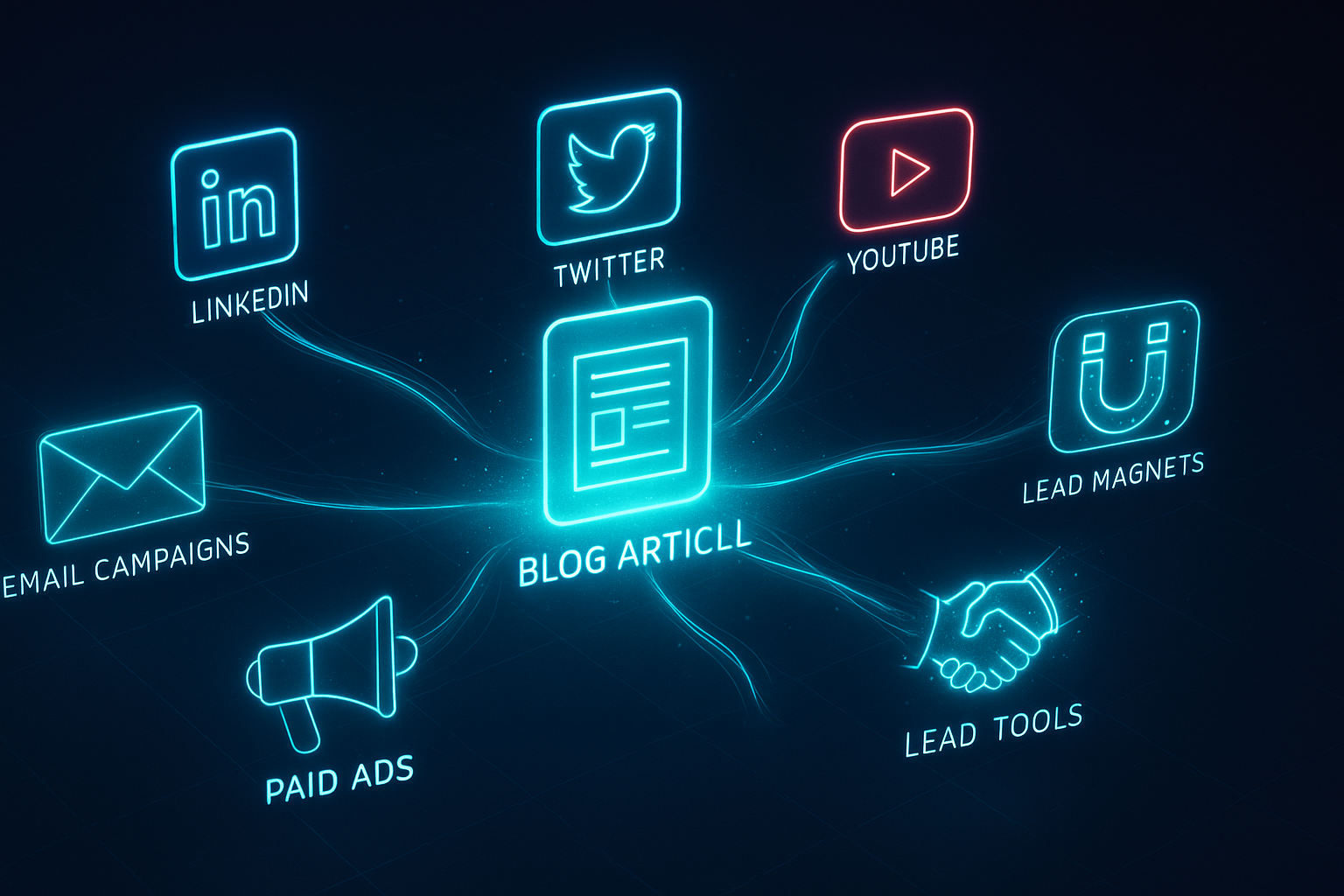
The Content Multiplication Strategy
Here's how smart nonprofits maximize their content investment:
One well-researched blog post becomes:- 3-5 social media posts
- An email newsletter section
- A talking point for donor meetings
- Grant narrative supporting evidence
- A board update component
- A blog post optimized for search
- A video script
- Multiple social posts over time
- Email appeal content
- Website homepage feature
- An SEO-optimized guide to your approach
- Data-backed blog content
- Infographics for social sharing
- Grant application evidence
- Year-end report content
The organizations that win at content aren't necessarily creating more - they're getting more value from what they create.
For a complete framework on building content systems that preserve your authentic voice while scaling output, see my AMPLIFY framework for nonprofit storytelling.
Measuring What Matters
Too many organizations track vanity metrics. Here's what actually matters for nonprofit SEO:
Donor Acquisition Metrics
- Donations from organic traffic (use UTM tracking)
- Cost per donor acquired via SEO (content investment ÷ donors)
- Average gift size from organic visitors
- Email signups from organic traffic
Engagement Quality
- Time on page (are people actually reading?)
- Pages per session (are they exploring?)
- Bounce rate by content type (what keeps people?)
- Return visitors from organic search
Pipeline Metrics
- Volunteer applications from organic search
- Grant inquiries that mention finding you via search
- Major gift prospects who cite content in conversations
- Board referrals that trace back to content discovery
If you need help setting up proper tracking, Google Analytics has a free Funnels feature that lets you measure conversion paths. This is very, very important for understanding whether your SEO investment is actually driving mission outcomes.
The Bottom Line: Is Nonprofit SEO Worth It?
Here's my honest assessment:
For most mission-driven organizations with a 12+ month time horizon, SEO is one of the highest-ROI investments available.The math is simple: 44% of your website visitors already come from organic search, but only 37% of nonprofits have a strategy for it. That gap is an opportunity.
The organizations that invest now will build sustainable donor acquisition channels that don't require ongoing ad spend. They'll establish thought leadership that opens doors with foundations and major donors. They'll create content assets that keep working year after year.
The organizations that don't will keep competing on an ever-more-expensive paid advertising playing field, dependent on having budget to stay visible.
I think about this in terms of what I learned at Harriet Buhai: the need is always greater than the resources. Every efficiency you can create, every dollar you can stretch further, means more people served.
SEO is one of those efficiencies. It takes patience. It requires consistency. But it compounds in ways that align with how mission-driven organizations need to think about sustainability.
Your Next Steps
If you've read this far, you're exactly the kind of person who should be thinking about SEO. Here's what I want you to do:
This week: Check Google Analytics to see what percentage of your traffic comes from organic search. If it's above 20%, you have something to build on. If it's below, there's significant untapped opportunity.This month: Identify the top 5 questions your donors and prospects ask. These are your first content opportunities.This quarter: Publish at least one piece of substantial, expert content and track its performance. Start building the muscle.And remember - you don't have to do this alone. AI tools have made quality content production accessible to teams of any size. The playing field is more level than it's ever been.
If you want help building an SEO strategy that fits your nonprofit's resources and goals, I'd love to chat. We specialize in helping mission-driven organizations build sustainable content systems. Schedule a call and let's talk about what's possible.
The best time to start building your SEO foundation was three years ago. The second best time is today.
---

The need is always greater than the resources. Let's change that.
When I volunteered at Harriet Buhai Family Law Center during law school, I'd feel very, very sad when we couldn't take on a client because we didn't have the budget. Families who desperately needed help with restraining orders or custody issues—turned away because the resources just weren't there.
That experience taught me something important: if nonprofits had more donors, more consistent funding, they could help more people. It's that simple.
That's why we start nonprofit teams with a single hands-on workshop: three to four hours, your real donor communications, and staff who leave able to do this themselves.
See the Workshop →